How to Build a Reading Habit When Your Phone Keeps Distracting You
You know the feeling. Tonight, you decide, is the night you finally get back into reading. You open the book, read half a page, then reach for your phone to check one small thing. Forty minutes later you're watching a stranger restore a rusted gate, and the book has slid off your chest.
That isn't a character flaw. Your phone was built by people whose job is to keep you looking at it, and a paperback has nobody working on its behalf. So stop treating reading as a test of willpower. Rearrange a few things instead, and reading becomes the easier option. Here's how.
Why the phone keeps winning
A book asks something of you before it gives anything back. You have to find it, open it, remember where you were, and concentrate for a few minutes before it gets its hooks in. Your phone asks nothing. It's already in your hand, and one touch brings a fresh set of things to look at.
That gap — a few seconds of friction — is where most reading habits die. Not because you're lazy, but because the easier option usually wins. So the work isn't about discipline. It's about making the phone slightly less convenient and the book slightly more available.
Make your phone a bit annoying to reach
Ten minutes of fiddling with settings will do more for your reading than a shelf of good intentions.
- Charge it somewhere other than your bedroom, and use a cheap alarm clock instead.
- Switch on greyscale in your display settings. A black-and-white feed is far less tempting.
- Turn off every notification that isn't a message or call from a real person.
- Move your worst time-wasting app off the home screen — or delete it and use the website in a browser instead, where you have to log in each time.
- Turn off autoplay, and set a timer on social apps if your phone allows it.
None of these are permanent vows. They're just enough friction to give you a second's pause — and a second is often all you need to pick up the book instead.
Pick books you'll actually finish
The fastest way to kill a reading habit is to slog through a worthy book you feel you ought to read. Reading needs momentum, and momentum comes from wanting to know what happens next.
Be honest about what you enjoy. Crime novels, thrillers and short story collections aren't guilty pleasures; they're good books with short chapters. Reread something you loved at fifteen. Try memoir, narrative non-fiction or a young adult novel — plenty of adults read them for good reason. If a book hasn't grabbed you by page fifty, put it down. Abandoning a book isn't failure, it's a decision, and it frees up the evenings you'd otherwise spend avoiding it.
Keep three or four options within reach so that whatever mood you're in, something fits: one gripping and easy, one short, one more demanding for when you have energy to spare.
A quick test before you commit
Read the first page in your head. Does the voice feel natural? Do you want to know what happens on page two? If not, put it back. Ask a bookseller or librarian what they've loved recently — they're usually delighted to be asked, and their suggestions will be better than any bestseller list.
Make reading the easiest thing in the room
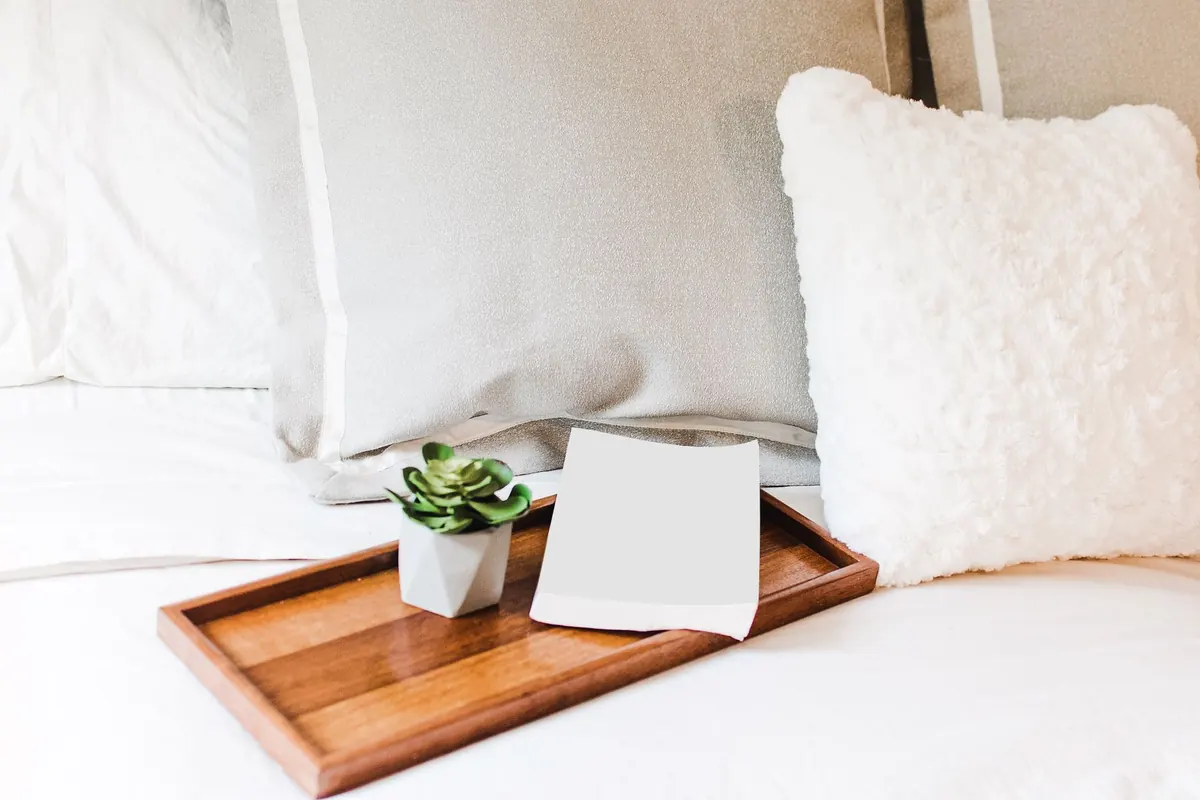
Books get read when they're within arm's reach, and phones get used when they are too. Put a book where you actually sit: on the sofa arm, beside the kettle, on your pillow. If you commute, leave it on top of your keys or your laptop the night before so it leaves the house with you.
Then attach reading to something you already do — the ten minutes while dinner simmers, the start of your lunch break, the last thing before the light goes off. Bolted onto an existing routine, reading stops needing a decision.
Lower the bar to two pages
Two pages a day is a real reading habit. It sounds too small to matter, which is exactly why it works: it's achievable on the evenings when you're tired, busy or fed up, so the routine never breaks. Most nights you'll carry on past two pages, because starting is the hard part and you'll have already done it.
Give reading a fixed slot
"When I get a spare moment" never arrives. Name the time instead: with your morning coffee, on the train, at ten o'clock in bed. Same cue, same place, most days.
Keep the phone on do not disturb for those minutes and put it face down or in another room. Start with fifteen minutes rather than an hour. A short session you repeat is worth far more than a long one you dread.
If you like to track things, a tick on a paper calendar is plenty. An app that sends you notifications is a slightly odd solution to a problem caused by notifications.
What to do when you miss a week
Missing a day doesn't matter. Missing a week doesn't matter much either. What matters is what you do next, and the answer is: start again with two pages, in the same slot, tonight. Don't try to make up for lost time by reading for three hours on Sunday. That turns reading into a chore with a debt attached.
One more trap to avoid: buying books feels like reading, but it isn't. It's shopping. If your bedside pile has become a small wall, stop adding to it until you've finished something.
Three things to do tonight
Reading habits are built from small, dull decisions rather than big resolutions. Tonight, do three things:
- Put your phone on charge in another room.
- Put a book on your pillow, right where you'll see it.
- Read two pages before you sleep — and stop there if you want to.
Then do the same tomorrow. Within a fortnight the book will feel like part of the room, and the phone will feel like something you have to go and fetch. That's exactly the right way round.
If reading brings on headaches or eye strain, or if a change in your concentration has stuck around, mention it to a pharmacist, optician or GP rather than assuming it's simply your attention span.
Photo: Adrienne Andersen / Pexels


You Might Also Like
Every gambler remembers their first big win. The rush of a 50x multiplier on a slot, the perfect river card in poker, the accumulator that came in on a…
Rain need not spoil a bank holiday. A gentle plan for slow cooking, off-screen hours and one short wet walk — plus permission to do very little.