How to Make the Most of a Rainy British Bank Holiday at Home
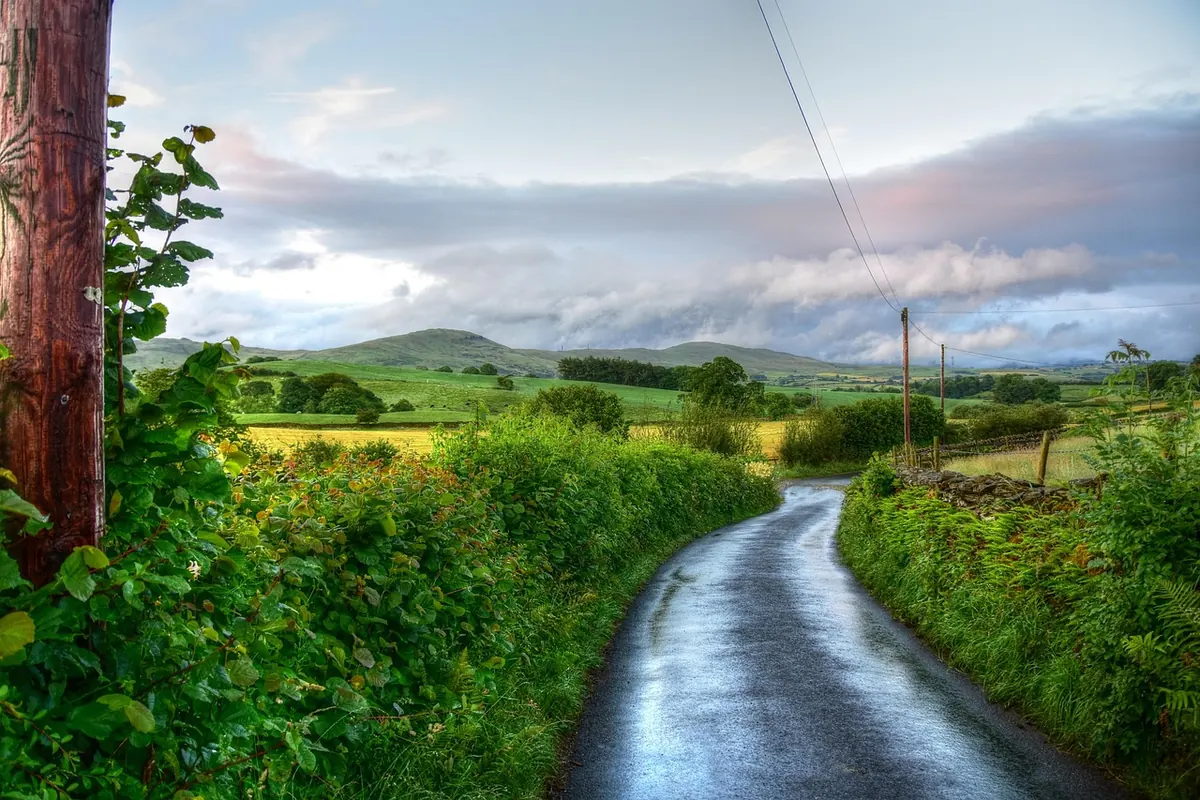
The forecast said rain, and the forecast was right. By nine o'clock the sky is the colour of wet slate, the gutters are running, and the plans you half-made — the car boot sale, the walk along the ridge, the picnic that never stood a chance — have quietly dissolved. A wet bank holiday can feel like a small theft. But there is another way to read the day: it is a Monday with nothing expected of you, and a house to be in.
Make the call early, then stop negotiating
Most disappointing wet days are the ones spent half-out of the door. You check the radar, decide to wait an hour, check again, and by two o'clock you have done nothing at all except feel vaguely cheated. Decide once, before ten in the morning, and say it out loud: we are staying in.
Then do the admin. Text the people you were meeting and suggest a new date rather than leaving it vague. Move the walk to next weekend. Put the picnic blanket back in the cupboard. Cancelling properly takes four minutes and removes the low hum of should-be-doing-something that otherwise follows you around the kitchen.
One more thing: stop refreshing the forecast. It is not going to develop a better ending.
A slow morning that earns the name
A bank holiday morning at home can be genuinely good, provided you don't spend it in a state of almost-getting-up. The trick is to make breakfast an event rather than a pit stop.
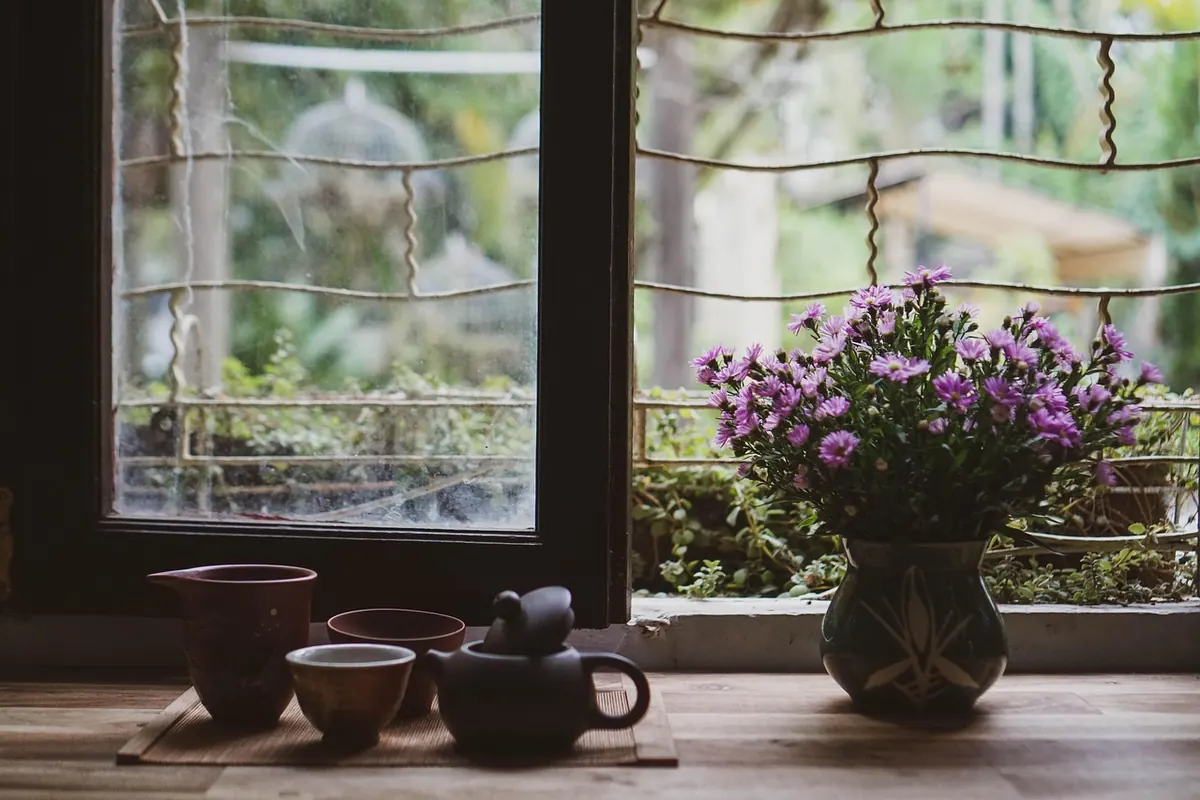
Use the good teapot. Cook the eggs properly, with toast under the grill so it goes golden at the edges. Sit at the table, not on the sofa with a plate balanced on your knee, and read something on paper for twenty minutes. If there are other people in the house, this is the hour for the sort of conversation that only happens when nobody has anywhere to be.
Then get dressed
You do not need to put on a collar, but changing out of what you slept in makes a real difference. A clean jumper and dry socks are enough. It tells your own brain that the day has started, which is useful when the day has no other structure to offer.
Cook something that takes its time
Wet weather and long cooking belong together. Choose something that rewards an hour or two of low heat and occasional stirring: a pot of soup made from whatever is wilting in the vegetable drawer, a ragu, a dhal, a tray of root vegetables roasted until the edges catch, a loaf if you are feeling ambitious.
A few practical notes, learned the hard way:
- Start earlier than you think. Half past one is a fine time to begin something that will be ready at six.
- Make more than you need. A rainy Monday is an excellent day to fill the freezer for the week ahead.
- Keep the lid on and the extractor fan running. A long simmer puts a lot of moisture into the air.
- Use the good bowls when it is finally ready. It costs nothing and makes the meal feel deliberate.
Fill the table with off-screen things
The default rainy day is a screen and a blanket, and an hour of that is lovely. Six hours of it is not, and you will feel it by the evening.
Before lunch, put two or three physical things out where you can see them — on the coffee table, the kitchen table, the arm of the sofa. Not a project. Just something for your hands.
- A jigsaw with the edges done and pieces sorted into trays.
- A paperback you are forty pages into, with a real bookmark in it.
- A pack of cards, or a board game with rules you half-remember.
- The mending pile: one button, one hem, one sock with a hole in the toe.
- Radio, a record, or an audiobook, so the house is not silent.
Anything counts. The point is that the day has a texture other than scrolling.
Make the house feel like shelter
Half the pleasure of rain is being on the right side of it. Lean into that. Lamps rather than the big overhead light. A candle by the hob. A blanket folded where you can reach it without standing up. Draw the curtains a little before dusk — earlier than you would in summer — so the room feels enclosed while the rain carries on outside.
At the same time, keep the air moving. Rainy bank holidays are when condensation appears on windows and washing refuses to dry. Run the extractor when you cook, open a window for ten minutes after a shower, and hang wet coats on a rack rather than over a radiator. If you are drying laundry indoors, leave the next room's door open and a window cracked. A damp house feels colder than a dry one, however many blankets you own.
Go out anyway, just briefly
Twenty minutes outside will improve the whole day. Not a walk with a purpose — no route, no target, no need to get anywhere. Just waterproofs, sensible shoes, and out.
Wet streets are quieter than dry ones. The park smells of earth and leaves. Puddles are there to be used, if you have brought a small person along. Walk to the end of the road and back, or take the long way round the block, and come home slightly cold and damp. Returning to a warm kitchen after a wet twenty minutes is one of the small, reliable pleasures of a British holiday at home. Take care near roads when visibility is poor and drivers are in a hurry.
Then dry the dog, hang up the coats, and put the kettle on.
A workable plan for the rest of the day
If you would like some shape, here is a simple one that still leaves room for nothing much:
- Before ten: decide you are staying in, and tell everyone.
- Ten to eleven: proper breakfast at the table. Paper, not phone.
- Eleven to noon: get dressed, tidy one room, put the slow thing on to cook.
- Early afternoon: the off-screen hour. Jigsaw, book, cards, mending.
- Mid-afternoon: twenty minutes outside in the rain, whatever the radar says.
- Evening: eat what you cooked. Film, bath, early night.
Adjust it as you like. The only rule worth keeping is the one about going outside, because it is the part everyone skips and the part that makes the indoors feel like a treat rather than a sentence.
Photo: Layenday / Pixabay


You Might Also Like
Every gambler remembers their first big win. The rush of a 50x multiplier on a slot, the perfect river card in poker, the accumulator that came in on a…
Hobbies and creative practices can look identical from the outside. The difference is intention — and knowing which one you are doing makes both far more enjoyable.